Linen 101 · Bedding Guide
Choosing Naturepedic Organic Linen Sheets: Fit, Fiber, and Care
A good linen sheet set should suit more than your color palette. Mattress depth, the pieces in the package, fiber details and laundering instructions all shape how it performs in everyday life. Here’s what to check before choosing Naturepedic organic linen sheets—and how to make sense of the specifications.
Linen has a distinct character: a gently textured surface, a relaxed drape and a feel that tends to become softer with use. Those qualities make it appealing to people who prefer natural fibers and an unpolished, lived-in look. But a sheet set is also a practical purchase. A fitted sheet that cannot reach around the mattress, or a set missing the pillowcases you expected, can quickly take the pleasure out of a considered choice.
Naturepedic’s organic linen sheet specifications offer several useful points to compare. The listed set comes in Queen, King and California King, includes a flat sheet, a fitted sheet and two pillowcases, and specifies a 15-inch fitted-sheet pocket. The fabric is described as 185 grams per square metre (gsm), made from GOTS-certified organic flax, with flax grown in France and the finished sheets made in India at a GOTS-certified organic facility. These details are a helpful starting point—but it’s worth checking the exact size, care label and package contents for the option you plan to buy.
Start with the mattress, not the sheet size
Choosing Queen, King or California King is only the first fit check. Mattress dimensions vary by size, but mattress height varies even more. A standard mattress, a thick pillow-top model and a mattress topped with a substantial pad may all need different pocket depth, even if they share the same width and length.
The listed Naturepedic fitted sheet has a 15-inch pocket. That number is a guide to the depth of mattress it is designed to accommodate, not a guarantee that every mattress up to a particular measurement will fit perfectly. Elastic construction, fabric give and the thickness of any topper or protector all matter. Measure the full height of the sleeping surface, including layers that will stay beneath the sheet, then compare it with the product’s sizing information.
- Measure the mattress height: Include a pillow top or permanently used topper.
- Account for bedding layers: A mattress protector adds height, even if it seems thin.
- Check the whole fit: The sheet should reach under the mattress without straining at the corners.
- Confirm the size name: California King and King are different dimensions, so one should not be substituted for the other.
A fitted sheet that is too shallow may pull loose as you move during the night. One with excess fabric can bunch beneath the body, especially if its elastic does not hold the corners securely. A stated 15-inch pocket gives shoppers a useful number to compare, but the mattress measurement remains the more reliable first step.
Know what the set includes
“Sheet set” can mean different combinations from one manufacturer to another. Some sets include a flat sheet, fitted sheet and pillowcases; others may omit the flat sheet or vary the number and size of pillowcases according to the bed size. Before checkout, read the included-items list rather than relying on a product photograph or the general label.
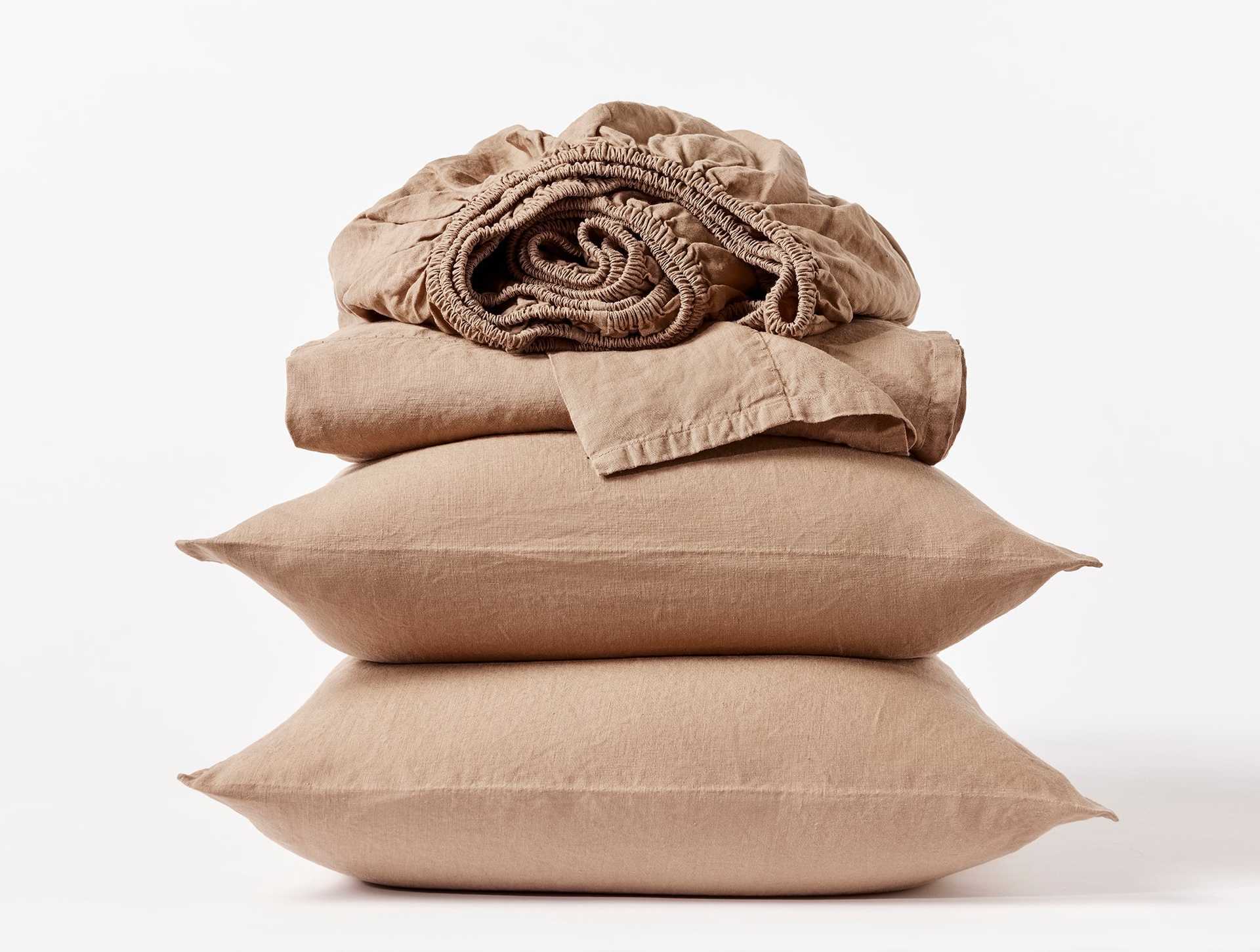
The Naturepedic set information provided here lists one flat sheet, one fitted sheet and two pillowcases. It gives pillowcase dimensions as 20 by 32 inches for Standard/Queen pairs and 20 by 40 inches for King pairs. If you use oversized pillows, European squares or decorative pillows, those are separate considerations: the pillowcases in a sheet set are not necessarily intended to cover every pillow displayed on the bed.
It is also useful to distinguish a full set from individual pieces. A fitted sheet may be available separately, while a complete set can offer a more coordinated starting point. If you already own a flat sheet or prefer not to use one, compare the cost and contents of the available options instead of assuming that every set configuration is identical.
A quick pre-purchase checklist
- Does the selected size match the mattress dimensions?
- Is the mattress, protector and topper height compatible with a 15-inch pocket?
- Does the set include the flat sheet and pillowcase count you want?
- Are the pillowcase dimensions right for your pillows?
- Have you checked the current care label and any retailer-specific notes?
What the flax and fabric weight tell you
Linen is made from flax fibers. The plant’s fiber is processed into yarn, which is then woven into fabric. When a product description identifies organic flax, it refers to the fiber’s stated agricultural sourcing; “linen” describes the textile made from that flax. In the Naturepedic specifications, the flax is described as grown in France, while the sheets are made in India in a GOTS-certified organic facility. Fiber-growing location and manufacturing location are different parts of the supply chain, so it is useful to read them as separate facts.
The listed fabric weight is 185 gsm. Grams per square metre is a measure of fabric mass per area. It can help compare textiles when specifications are presented consistently, but weight by itself does not determine softness, quality or how warm a sheet will feel. Weave, yarn characteristics, finishing and personal preference all contribute to the hand and performance of bedding. A heavier linen can feel more substantial; a lighter cloth may feel airier. Neither description, alone, settles which one a sleeper will prefer.
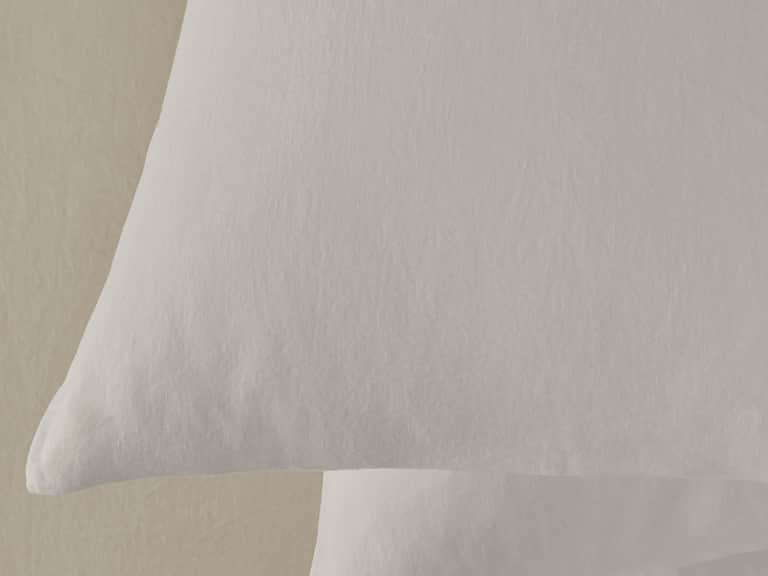
These sheets are described as stone-washed, a finishing process associated with a more relaxed feel from the start. Linen also tends to soften with regular use and laundering. That does not mean every new set will feel identical: the fabric’s weave, finish and individual sensitivity to texture influence the first impression. People who expect the sleek, smooth touch of fine cotton sateen may find linen’s natural slubs and surface variation noticeably different.
Understanding GOTS certification
GOTS stands for the Global Organic Textile Standard. A certification claim can help shoppers assess whether a product and its processing meet the requirements of a named textile standard. Naturepedic’s listed specifications describe the sheets as GOTS-certified organic and say they are made in a GOTS-certified organic facility. Those details are more informative than a broad “natural” or “eco-friendly” label, but it is still sensible to check the product’s current certification documentation and the scope of the claim.
Certification does not tell you everything about a sheet’s feel, fit or lifespan. It should be considered alongside dimensions, fabric construction, origin information and care guidance. Nor should one certification be treated as proof of every environmental or social attribute a shopper might care about. If a particular issue matters—such as the exact certified product, the facility or the standard’s current scope—look for clear documentation rather than assuming the label covers every question.
How linen feels in everyday use
Linen’s surface is part of its appeal. It is not usually prized for a perfectly uniform, polished appearance; a little texture and a naturally relaxed drape are expected. That tactile character can make a bed feel casual and layered, whether the room is spare and modern or filled with softer, traditional details.
Linen is often selected for its breathability and its ability to manage moisture. The product description for Naturepedic says the fabric’s hollow fibers support air and water circulation, helping it feel breathable and moisture-wicking. These are useful material characteristics to consider, but bedding comfort is personal. Room temperature, sleepwear, mattress materials and individual preferences all affect how warm or cool a bed feels. No sheet fabric can guarantee a particular sleep temperature for every person.
For shoppers transitioning from cotton, the first few nights may feel different. Linen can seem more textured at first, while washing and use gradually relax the fabric. If you prefer a very smooth hand, consider whether this natural texture is likely to suit you. If you enjoy a soft, slightly rumpled appearance, the relaxed character may be exactly what you want.
Care instructions: follow the label first
Routine care is one of the most important parts of choosing linen bedding. The listed Naturepedic instructions say to machine wash warm, tumble dry low, warm iron if desired and avoid bleach. Follow the instructions attached to the specific set you receive, since care directions can change between products or production runs. If a package label differs from an online description, use the label or confirm the correct guidance with the manufacturer.
For a first wash, separate the sheets from items with hooks, zippers or rough surfaces that could catch the fabric. Wash with similar colors and avoid packing the drum so tightly that the linen cannot move freely. A mild detergent and the recommended temperature are sensible ways to approach ordinary laundering. Avoid bleach, as directed, and use a low dryer setting rather than relying on high heat.
Removing linen promptly from the dryer can help limit deep creasing. If you like a crisp finish, a warm iron can be used when needed; if you prefer linen’s natural rumple, ironing is optional according to the listed instructions. Line drying may be a practical alternative where space and weather allow, but the product’s specific label should take priority over general linen-care habits.
- Read the label: Confirm the washing temperature, drying setting and any restrictions.
- Sort thoughtfully: Keep colors together and separate rough or fastening-heavy items.
- Wash without crowding: Give the fabric room to circulate in the machine.
- Dry gently: Use the recommended low setting and avoid unnecessary high heat.
- Finish to taste: Warm iron if desired, or leave the fabric relaxed and naturally creased.
Common questions before choosing organic linen sheets
Will a 15-inch fitted-sheet pocket fit my mattress?
It may, but check the mattress’s full height and include any topper or protector that will remain beneath the sheet. Pocket depth is one specification; the actual fit also depends on the mattress shape and the sheet’s construction. When the combined height is close to the stated depth, consult the manufacturer or retailer before ordering.
Does a higher gsm mean better linen?
Not necessarily. GSM describes fabric weight per area, not a universal quality score. A heavier or lighter fabric can be appropriate depending on its weave, finishing and the feel you prefer. Use the 185 gsm specification as a point of comparison, then consider the construction and care details as well.
Will linen feel soft immediately?
The listed sheets are stone-washed, which is described as giving them a relaxed feel. Linen also commonly becomes softer with use and washing. “Soft” is subjective, however, and linen’s texture is different from a smooth cotton finish. Expectations should account for that natural surface character.
Do the pillowcases fit every pillow?
No single pillowcase size suits every pillow. The listed dimensions are 20 by 32 inches for Standard/Queen and 20 by 40 inches for King. Compare those measurements with your pillow, allowing for the shape and loft you prefer, and check the selected set’s exact contents.
Can I use fabric softener?
The provided care information specifies washing and drying guidance but does not require fabric softener. Follow the current care label and detergent instructions, and avoid adding products simply because linen feels different from cotton. The fabric is described as softening over time with use and washing.
The bottom line: match the details to your bed
Choosing Naturepedic organic linen sheets is easier when the decision is broken into practical questions. First, confirm your bed size and measure the full mattress depth, including any layers. Then verify the set’s contents and pillowcase dimensions. Finally, review the fabric weight, flax and manufacturing details, certification information and care label with your own preferences in mind.
The listed Naturepedic set brings together French-grown organic flax, 185 gsm linen, a 15-inch fitted-sheet pocket and a package described as including a flat sheet, fitted sheet and two pillowcases. Its care directions call for warm machine washing, low tumble drying, optional warm ironing and no bleach. Those specifics make a useful checklist—not a substitute for confirming the current details for your chosen size.
For anyone drawn to linen’s breathable, naturally textured look, the best choice is the one that fits the mattress securely and suits the way you actually care for bedding. A little attention to measurements and labels before buying can make the first wash, the first night and the many ordinary mornings afterward feel more straightforward.
For the current specifications, review the Naturepedic Organic Linen Sheets details alongside the care label supplied with the set.