Bedding & styling
Coyuchi Decorative Pillow Covers: Layering Natural Texture with Intention
A thoughtful pillow arrangement can refresh a room in minutes. With organic linen’s relaxed texture, a few well-chosen covers add softness, contrast, and a quietly finished feel—without asking you to rethink the whole bed or sofa.
Published October 29, 2026
Some room updates call for paint, a new rug, or a furniture shuffle. Others begin with a small, satisfying change: a different pillow cover, a new color near the headboard, or an inviting layer on the sofa. Decorative pillows are useful precisely because they can make a space feel considered without making it feel overdone.
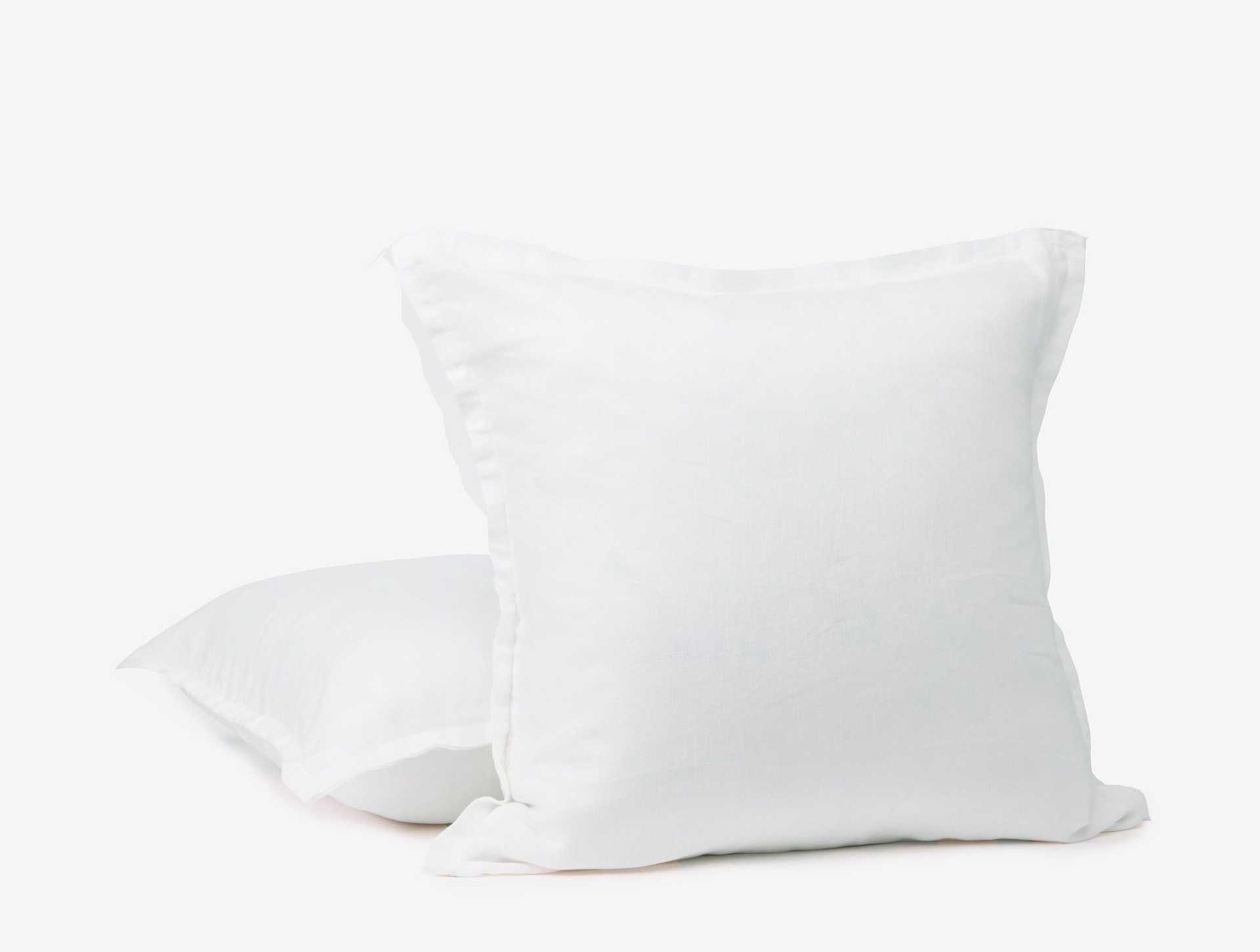
Coyuchi’s Organic Relaxed Linen Decorative Pillow Cover is one example of an accent that puts the material first. Made from organic linen, it has a washed, gently rippled hand and a relaxed appearance designed to complement linen bedding. The fabric is described as becoming more supple with washing, while the cover itself can bring a modern shape to either a bed or a sofa. Rather than looking perfectly pressed and formal, linen has a natural variation that gives a room a little softness and life.
That ease is part of the appeal—but a pulled-together result still benefits from a little planning. Proportion, color, texture, and care all influence whether a decorative pillow feels like a natural part of a room or an accessory that landed there by accident. Here’s how to choose and style organic pillow covers with intention, while keeping everyday comfort in view.
Why a pillow cover can change the whole mood
A decorative cover is a compact design decision. It introduces a fabric, tone, or shape at eye level, where a small shift can noticeably change the character of a bed or seating area. A light-colored linen cover can make a layered bed feel airier. A deeper shade can anchor a pale sofa. A softly textured surface brings dimension to a room that already has plenty of smooth finishes.
There’s a practical advantage, too: a cover can be removed and laundered according to its care instructions, while the insert stays in place. That makes it easier to refresh a space seasonally, respond to a new color palette, or simply change the look of a familiar room without replacing the pillow form.
Linen is especially appealing when you want texture that doesn’t demand attention. Its characteristic slubs and gentle creases give the surface visual interest, but the overall effect can remain calm. That balance makes a relaxed linen cover a natural match for pared-back rooms, tactile bedding, and furniture that benefits from a softer accent. The goal is not to make every surface identical; it is to create a room where different textures feel as if they belong together.
For a closer look at the fabric and its construction, explore the Coyuchi Organic Relaxed Linen Decorative Pillow Cover. Product details describe a cover made from 100% organic linen, with flax grown in France and linen woven in Portugal. The pillow insert is sold separately, so confirming the insert size before ordering is an essential part of getting the look—and the fit—right.
Start with the insert, not the color
It’s tempting to choose a cover by shade first. But before falling for a particular tone, check the dimensions of the pillow insert you have—or the insert you plan to buy. Covers are made to fit particular forms, and even a beautiful fabric can look rumpled or strained if the insert and cover are mismatched.
A cover that is too small can pull at the seams, distort the corners, or feel overly firm once zipped or fastened. A cover that is too large may sag, lose its shape, and look less tailored than intended. The right fit should feel substantial and comfortably filled, not stretched to its limit. Follow the manufacturer’s sizing guidance and compare it with the insert’s actual measurements, especially if the insert is an older one that has flattened or changed shape over time.
Think about the shape as well. A square pillow adds a familiar, balanced accent; a rectangular lumbar shape can create a lower focal point or introduce a break in a row of larger pillows. Before buying, imagine the cover alongside the pillows already in the room. A new form can make the arrangement feel more layered, while several similarly sized cushions can sometimes read as a single block.
When filling a cover, work the insert into the corners gently rather than forcing it. Smooth the fabric outward, then give the pillow a light shake or tap to distribute the fill. A little natural softness suits relaxed linen; there’s no need to press it into a rigid, perfectly square shape. The aim is a comfortably full pillow whose material and silhouette can be seen clearly.
Build a layered arrangement that still feels easy
Good pillow styling is less about collecting a large number of cushions and more about giving each one room to contribute. On a bed, begin with the pillows used for sleeping. Add decorative covers in front, choosing a scale that makes sense for the mattress and the existing bedding. A smaller accent or lumbar pillow can finish the arrangement without hiding every layer behind it.
On a sofa, consider how the seats will be used. A pillow arrangement should frame the furniture, not make it difficult to sit down. Place accents near the arms or corners, and leave enough open space for people to lean back comfortably. If a sofa already has pronounced upholstery texture or patterned cushions, a simple linen cover may help bring a quieter note into the mix.
Vary scale with restraint. Two pillows of identical size, color, and texture can appear a little uniform; a deliberate difference in form or surface can make the group more inviting. Try a pair of larger pillows as the foundation, then add one smaller accent. Or use a single, textured cover as a punctuation mark among smoother cushions. There is no universal formula, but a clear hierarchy—larger pieces first, smaller accents second—helps the arrangement feel intentional.
Consider negative space, too. Not every corner needs a cushion, and not every pillow needs to be displayed at once. A spare cover can be rotated in when you want a change, while the others are stored clean and dry. Editing the arrangement is often as effective as adding another layer.
- For a bed: keep decorative pillows in proportion to the mattress, and make sure the arrangement is easy to remove at bedtime.
- For a sofa: preserve usable seating and avoid crowding the arms with oversized cushions.
- For a chair: choose a shape that supports the chair’s proportions rather than swallowing the seat.
- For a calmer look: repeat one color or texture in a few places, then let the linen’s natural surface provide variety.
Coordinate color without making everything match
Color coordination doesn’t require identical shades across the bedding, curtains, upholstery, and pillows. In fact, a room often feels more personal when related colors appear in varied tones and textures. Begin with the palette already present: bedding, wall color, wood, rugs, and the larger pieces of furniture. Then decide whether the pillow cover should blend in, add contrast, or connect two parts of the room.
For a soft, tonal arrangement, look for colors that sit close together—such as warm white with natural flax tones, or pale gray with a deeper charcoal accent. The difference between shades can be subtle, while the change in texture gives the eye something to notice. A relaxed linen cover can add depth to a smooth cotton bed or upholstered sofa without relying on a bold pattern.
If you prefer contrast, pick one color already present in the room and use a pillow cover to echo it more strongly. A small accent can make a quiet hue feel deliberate. Keep an eye on undertones: a cool white can appear noticeably different beside a creamy one, and a muted green may sit more comfortably with warm wood than a blue-leaning shade would. Comparing colors in the room’s actual light can help; daylight and evening lamps can make the same fabric look quite different.
Natural fibers bring their own variation. Linen’s surface isn’t always perfectly uniform, and that is part of its character. Rather than expecting every piece to match exactly, look for a relationship between colors and materials. A soft, washed cover can sit happily beside crisp sheets, a knit throw, or a smooth upholstered headboard when there is a shared note—perhaps a similar warmth, a repeated neutral, or a complementary level of contrast.
Let texture do some of the decorating
In a restrained room, texture can be just as expressive as color. A relaxed linen cover brings visible weave and gentle creasing to a bed or seat. Pair it with a smoother fabric and the contrast becomes clear without needing a graphic print. Add a knit throw or a nubby upholstery fabric, and the room gains another tactile note.
The key is to vary surfaces rather than stack identical ones. If the bedding is already linen, a linen accent cover can create a cohesive look, but consider introducing contrast through size, shade, or the finish of a nearby blanket. If the bed is crisp and smooth, a washed linen pillow can soften the overall impression. On a sofa, a linen accent can temper the formality of a sleek material or add a relaxed counterpoint to structured upholstery.
Texture also helps a monochromatic palette feel complete. A room built around white, cream, beige, or gray can have plenty of personality when its surfaces differ. Think of the pillow as one part of a larger conversation: fabric against wood, smooth against nubby, crisp against lived-in. A thoughtful mix adds dimension while preserving the simplicity of the palette.
Still, restraint matters. Too many competing textures can make a small space feel busy. Choose a leading texture, then support it with one or two complementary surfaces. Linen’s relaxed character is often most effective when it has room to be noticed rather than being surrounded by a dozen equally prominent finishes.
Care for organic linen with a gentle routine
Decorative pillows live in the middle of daily life. They are moved, leaned on, and sometimes used as a convenient resting place for a book or a cup of tea. Even when an accent cover is not used as frequently as a pillowcase, routine care helps preserve its appearance and keeps it ready for everyday use.
For the Coyuchi cover described here, care guidance is to wash in cold water on a gentle cycle with like colors, tumble dry on low, and remove promptly. Warm ironing is optional. Always check the current care label on the item before laundering, since instructions can vary by product and may be updated. When in doubt, use the gentlest approach the label allows.
Wash similar colors together and avoid overfilling the machine. Crowded laundry can twist and rub against itself, which may contribute to creasing or wear. Use an appropriate amount of detergent and make sure it rinses out thoroughly. Fabric softener is not automatically necessary; it can leave a coating on some textiles, so follow the garment’s care directions rather than adding it by habit.
Low-heat drying and prompt removal can help limit harsh creasing. If you prefer a smoother finish, warm ironing is an option according to the product’s care guidance. Many people enjoy linen’s naturally relaxed appearance, so a light hand with the iron can preserve the fabric’s characteristic texture. Let the cover cool and dry fully before placing it over an insert or storing it.
- Remove the insert before washing the cover.
- Close fastenings, if present, and turn the cover inside out when practical.
- Use cold water, a gentle cycle, and similar colors, following the label.
- Tumble dry low and remove promptly, or choose another label-approved drying method.
- Store the cover clean and completely dry to help prevent musty odors.
For spot marks, start by checking the care label and treating the affected area with care. Avoid aggressive scrubbing, which can disturb the surface or spread a stain. Blot rather than rub, and test any cleaning method on an inconspicuous area when appropriate. If a stain is difficult or the care instructions are unclear, seek advice from a textile-care professional instead of experimenting with harsh products.
A practical note on organic claims
“Organic” is a useful description, but it is worth reading what a particular product page says rather than treating the word as a complete account of a textile’s journey. The product information for this cover identifies it as 100% organic linen, notes flax grown in France and weaving in Portugal, and lists GOTS certification. Those details offer more specific context about stated material and production attributes.
Certification names, material percentages, country-of-origin descriptions, and care guidance are product-specific. If those details matter to your decision, check the current listing and sewn-in label for the exact item you are considering. A product’s fiber, finish, construction, and manufacturing steps can all affect how it feels and how it should be maintained.
It is also helpful to distinguish the cover from the pillow insert. The cover’s material does not by itself tell you what is inside the pillow form, and the Coyuchi listing notes that the insert is sold separately. Confirm both components independently if you are comparing materials, certifications, or care requirements.
Common styling mistakes—and easy fixes
Choosing a cover before checking the insert. A mismatch can leave the corners empty or put too much strain on the seams. Measure first, then compare the cover and insert specifications.
Using too many pillows. A bed or sofa can quickly lose its sense of ease when every available surface is covered. Remove one or two pieces and see whether the remaining shapes have more room to shine.
Matching every fabric exactly. A coordinated room does not need a single material repeated everywhere. Keep a common color or mood, then let textures differ so the result feels layered rather than uniform.
Ignoring how the room is used. A pillow that looks lovely but must be moved every time someone sits down may not be the right everyday choice. Make room for comfort and convenience, especially in shared living spaces.
Overlooking the care label. Linen is durable, but care still matters. Follow product-specific directions for washing and drying, and avoid assuming that every linen item can be treated the same way.
Expecting a perfectly smooth surface. Relaxed linen is valued for its texture and natural creasing. If a crisp, unwrinkled finish is essential to your style, consider whether a washed linen cover suits your preferences before choosing it.
A simple room-by-room approach
For a bedroom, start with the function of the bed. Keep sleeping pillows accessible, then introduce one or two decorative layers in a color that relates to the bedding or the wider room. A relaxed linen accent can add a softer finish to a carefully made bed, particularly when the rest of the palette is quiet. If the bedding itself is textured, choose a cover whose scale and shade offer contrast rather than competing for attention.
For a living room, consider the upholstery first. A neutral linen cover can add warmth to a structured sofa, while a more noticeable shade can connect the sofa to a rug or nearby artwork. Keep the number of covers in proportion to the seating, and try the arrangement at the time of day when the room is most often used. A pillow should look inviting, but it should also be easy to move and comfortable to lean against.
For a reading chair or guest room, one carefully chosen accent may be enough. A pillow cover can make a smaller spot feel finished, especially when its texture echoes another fabric nearby. In a guest room, make sure decorative pillows can be set aside easily so visitors do not have to rearrange an elaborate display before bed.
These ideas are not rules so much as a way to begin. Move the pillows around, live with the arrangement, and notice what feels useful. The best styling often comes from small adjustments: changing the order, reducing the number, or letting one natural texture stand out.
A small accent, thoughtfully chosen
A decorative pillow cover does not need to transform a room all by itself. Its appeal is subtler: the softening of a crisp bed, a bit of texture on a plain sofa, or a gentle connection between the colors already in a space. Coyuchi’s Organic Relaxed Linen Decorative Pillow Cover offers that kind of understated accent, with organic linen, a washed surface, and care instructions suited to regular home laundering when followed as directed.
Start by measuring the insert. Then think about the pillow’s place in the room, the colors around it, and the balance of smooth and textured surfaces. Keep the arrangement comfortable, and care for the cover according to its label. With those basics in place, a simple linen accent can make a familiar room feel a little more layered—and still entirely livable.
Frequently asked questions
What makes a decorative linen pillow cover different from a pillowcase?
A decorative pillow cover is generally designed as an accent for a bed, sofa, or chair, rather than as the everyday covering for a sleeping pillow. Check the product dimensions and included components: the Coyuchi decorative cover is sold as a cover, with the insert sold separately.
How do I choose the right insert size?
Compare the cover’s stated dimensions with the insert’s actual measurements and follow the manufacturer’s guidance. A well-matched insert should fill the cover comfortably without pulling the seams or leaving the corners visibly empty.
How should I wash an organic linen pillow cover?
Follow the care label for the specific item. The Coyuchi cover’s product instructions call for cold washing on a gentle cycle with like colors, tumble drying on low, and prompt removal. Warm ironing is optional according to the listing.
Does linen need to look perfectly smooth to be well cared for?
No. A gently creased surface is part of linen’s relaxed character. Ironing is a matter of preference when the care instructions permit it; a light touch can smooth the cover without removing every trace of its natural texture.
How can I keep pillow styling from looking cluttered?
Limit the number of accents, vary their scale thoughtfully, and leave enough open space for the bed or seating to remain useful. Repeating one color or texture can create cohesion, while a little contrast keeps the arrangement from feeling overly matched.