Linen 101: A Practical Guide to Linen Types, Weaves, and Care
Explore the fundamentals of linen fabrics used in high‑quality bedding. This guide covers common linen types, weave patterns, and essential care tips to help homeowners and designers choose and maintain linen textiles with confidence.
Introduction: Why Linen Matters in Modern Bedding
Linen has a reputation for timelessness, durability, and a tactile richness that elevates every sleep experience. Derived from the flax plant, linen fibers are known for their moisture-wicking properties, breathability, and temperature regulation. In an era obsessed with performance fabrics, linen remains beloved for its natural character—softening with each wash, resists pilling, and develops a personality that mirrors your own living spaces.
For readers of Custom Linen Service, linen is more than a fabric; it’s a design statement and a daily ritual. The way linen wears over time—stone-washed textures, pick stitching on pillow covers, and the relaxed hand of garment-washed linen—speaks to a philosophy of durable luxury that improves with use. Whether you’re outfitting a chic guest room, planning a wedding registry, or curating a hospitality collection, linen offers a reliable, breathable, and aesthetically versatile option.
01. Linen Types: Origin, Processing, and Texture
Linen begins with flax, but the journey from field to finished textile involves choices that shape feel, weight, and performance. Here are the most influential dimensions to consider:
Flax origin and quality: Linen fibers sourced from flax grown in France, Belgium, or other regions influence the fiber’s length, strength, and texture. Higher-quality flax yields longer fibers that spin into a smoother, more luminous linen with superior drape.
Processing method: From retting and scouring to carding and spinning, each step alters the fiber’s surface texture and how it responds to washing. Stone-washed or garment-washed linen tends to have a softer, more relaxed hand straight out of the dryer, reducing initial stiffness and enhancing comfort.
Certifications and ethics: Look for GOTS (Global Organic Textile Standard) or Belgian Linen labels that certify organic farming practices and ethical processing. These marks are not just about environmental responsibility; they inform texture stability and long-term performance.
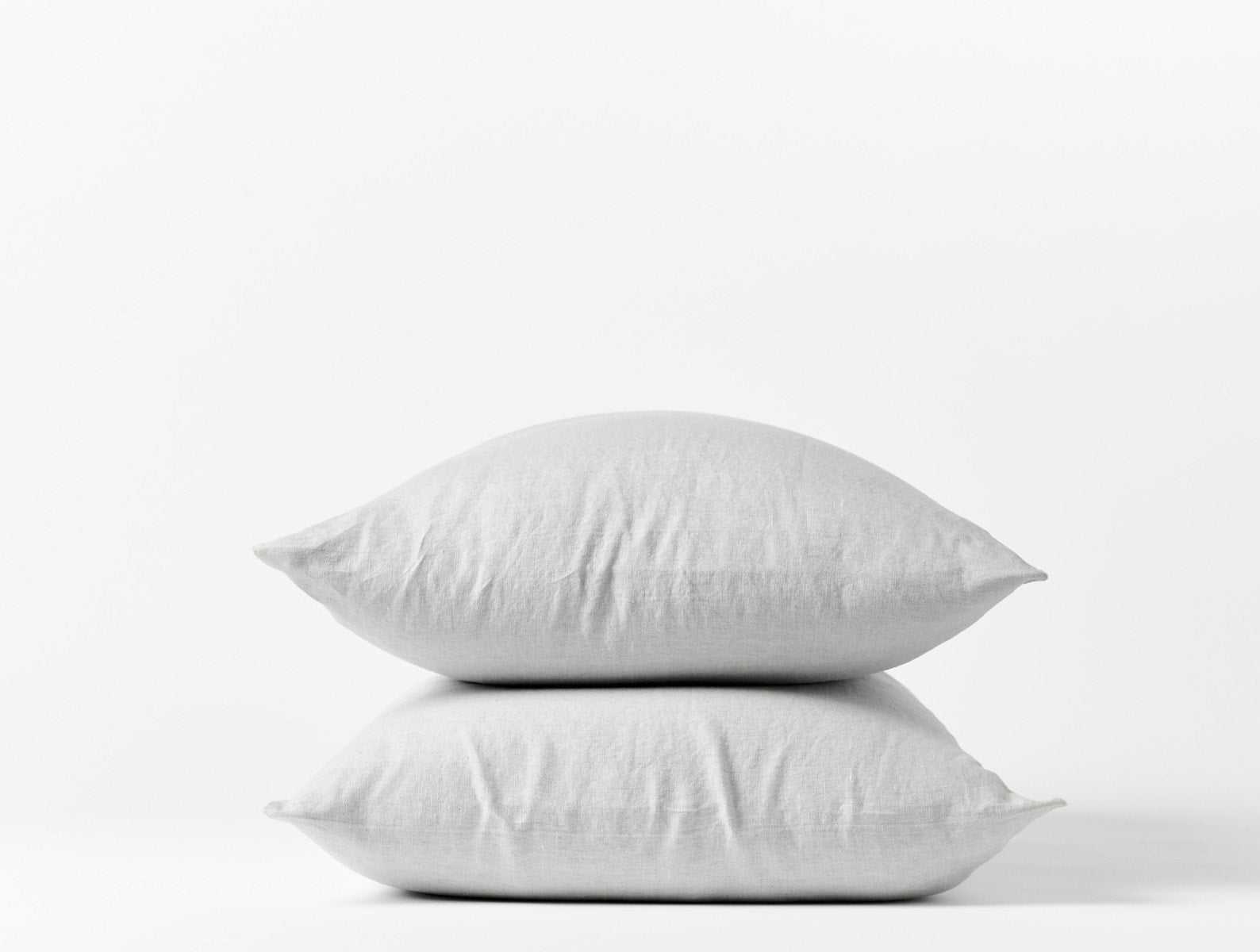
In our curated bedding collections, you’ll encounter linen varieties that emphasize a crisp, cool hand for bed sheets or a more relaxed, breathable drape for throws and duvet covers. For example, 100% organic linen pillowcases from Coyuchi demonstrate how a garment-washed finish and plant-based softeners yield a breathable, softly textured finish that improves with use.
02. Weave Patterns and Fabric Weights: How They Affect Drape and Comfort
The weave pattern and weight of linen drive how the fabric feels against skin, how it holds color, and how it handles laundering. Here are the core patterns you’ll encounter in bedding:
Plain weave linen: The most classic, with a clean, crisp surface that feels cool and light. It’s durable and easy to care for, making it a staple for flat sheets, duvet covers, and pillow shams.
Stone-washed or garment-washed linen: Treated to become softer and more supple, these finishes create a relaxed hand and natural texture that can elevate modern bedrooms with a lived-in, timeless vibe.
Linen blends and embroidery accents: Linen blended with cotton or other fibers can balance breathability with a softer initial hand, while embroidered or pick-stitched linen adds subtle interior detailing—ideal for decorative pillows and duvet covers.
Fabric weights for linen bedding typically range from light to medium-heavy. Lighter weights offer a cool, airy feel—perfect for summer or humid climates—while heavier linens provide a sense of structure and warmth during cooler months. The Layla Linen Duvet Cover by Downtown Company, for example, embodies a relaxed, breathable aesthetic with a stone-washed finish that balances comfort with a quiet, tailored silhouette.
As you compare sheets and duvet covers, consider how the weave interacts with your mattress depth, bed frame, and layering. A linen flat sheet with a slightly crisper weave can pair beautifully with a softer linen fitted sheet for a balanced bedscape that remains inviting after multiple washes.
03. Care Fundamentals: How to Wash, Dry, and Maintain Linen
Linen care is not about making linen pristine but rather about preserving its integrity, enhancing its texture, and keeping it vibrant over time. Here are practical, everyday care tips drawn from trusted care guides and real-world practices:
Washing: For most linen bedding, machine washing in warm or cold water with a gentle cycle is suitable. Use a mild, plant-based detergent to maintain the fabric’s natural feel. Avoid chlorine bleach, which can weaken fibers.
Drying: Air-drying is ideal, but tumble drying on low heat with the linen slightly damp can help minimize wrinkling and reduce wear. If ironing is desired, use a cotton setting while the fabric is still slightly damp to restore a crisp surface.
Stains and maintenance: Treat stains promptly with a gentle, fabric-conscious approach. For white or light linen, pre-treat with a mild solution of water and detergent; avoid harsh solvents that can degrade fiber integrity.
Storage and longevity: Store linen in a cool, dry place away from direct sunlight to prevent yellowing. Authentic stone-washed and garment-washed finishes tend to soften and gain character with repeated washing, not with aggressive bleaching.
In Direction A’s framework for Linen Knowledge, care is not a chore but a practice that preserves the linen’s natural properties—the breathability, moisture management, and the way a surface becomes softer, more inviting over time. The Organic Relaxed Linen Pillowcases, for instance, demonstrate how GOTS-certified linen can maintain a relaxed, breathable feel with simple, plant-based finishes that respect the fabric’s natural texture.
04. History and Culture of Linen: A Brief Look Through Time
Linen has threaded through human history—from ancient civilizations to modern interiors—as a symbol of purity, luxury, and practicality. In European textile traditions, linen’s cool, crisp hand has long been treasured in warm climates, while its durability is recognized by luxury brands that celebrate flax as a renewable resource. Linen’s role in hospitality and ceremonial use—wedding linens, luxury bedding, and hotel ensembles—speaks to linen’s enduring relevance in both daily life and special occasions.
Brand narratives around linen, including the use of Belgium Linen labels and other European heritage marks, reinforce linen’s standing as a premium natural fiber with a stable, timeless appeal. In the modern home, linen’s easy care, strong fiber, and evolving textures (stone-wash, garment-washed, raw linen) anchor it as a flexible medium for timeless design and sustainable living.
05. A Practical Linen-Driven Shopping Guide
When choosing linen for bedding, buyers benefit from a balance of authenticity, texture, and performance. Here’s a practical framework you can apply to any shopping decision:
Identify your priority: Do you want cool, crisp sheets, a soft, drapey duvet cover, or a pillowcase with a relaxed hand that softens with washing?
Check fiber origin and certifications: GOTS-certified linen ensures organic flax sourcing and responsible processing. A Belgian Linen label or a France-sourced flax note can influence texture and feel.
Consider finish and weave: Stone-washed linen yields a soft, lived-in feel; plain weave linen yields a crisp surface; pick-stitched cuffs and hems add refined detail that stays durable over time.
Assess care requirements: Machine wash, tumble dry, and iron guidelines are essential for long-term care. Some linen sets—like Layla Linen Series—are designed to be durable, stone-washed, and easily maintained.
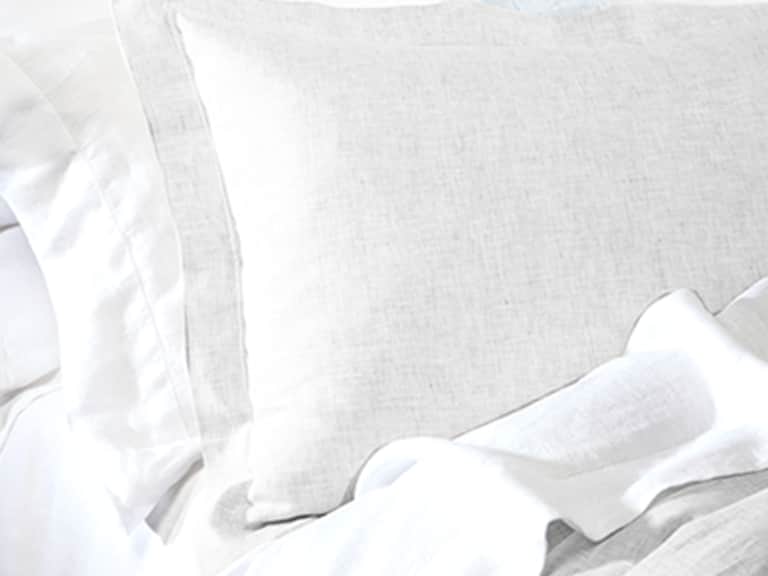
One notable example in the Linen ecosystem is the DownTown Company Layla Linen Duvet Cover. It showcases a refined, relaxed aesthetic with a single row of hemstitch and flange, crafted from 100% flax linen. Its stone-washed finish contributes to immediate softness without sacrificing durability, making it a versatile base for a timeless bed ensemble. The product’s durable construction and year-round wearability illustrate how premium linen can integrate seamlessly into everyday life while maintaining an air of quiet luxury.
06. Expert Voices: Three Key Individuals Across Time
To bring Linen 101 to life, we turn to three influential figures who shaped linen’s history, craft, and modern interpretation. These voices remind us that linen is a conversation across centuries, blending craft, design, and sustainability.
1) Flax Farmer’s Legacy: The 17th–18th Century European Artisan
In an era when linen was a staple of everyday life, a European flax farmer or weaver could transform fields into fabrics that clothed generations. This figure represents the traditional backbone of linen: meticulous cultivation of flax, careful retting, and the patient artistry of weaving on wooden looms. Their work determined fiber length, strength, and overall linen performance. Though we rarely know their names, their craft is embedded in every linen thread we touch today.
Impact: The long-staple flax they nurtured yields fibers that are strong, durable, and receptive to the natural textures we celebrate in stone-washed linen finishes. Their legacy underpins Linen 101’s emphasis on origin, processing, and texture, reminding readers that linen’s beauty starts in the field.
2) The 19th-Century Linen Textile Innovator: The European Mill Master
Moving into the Industrial Age, a mill master in Europe refined processes that elevated linen’s consistency, colorfastness, and finish. This figure embodies how standardized weaving and finishing techniques—such as plain weave, stone-washing, and garment-washing—made linen more accessible while maintaining its premium feel. Their innovations helped linen transition from a luxury good to a robust, everyday textile that still carries the aura of luxury today.
Impact: The master’s methods inform modern packaging of linen sheets, duvet covers, and pillowcases with reliable consistency. This historical thread helps readers appreciate how today’s products combine time-tested techniques with contemporary needs—like easy-care finishes and GOTS certification—without losing linen’s intrinsic character.
3) The Modern Linen Designer: A 21st-Century Specialist
In our contemporary landscape, the designer who blends science and craft shapes linen’s role in interior design and hospitality. This figure champions sustainable sourcing, ethical production, and design-driven details—such as hemstitched edges, pick stitching, and garment-washed finishes that enhance tactile warmth. They translate centuries of linen wisdom into accessible products for homes and hotels alike.
Impact: The modern designer helps readers understand how a simple duvet cover, pillowcase, or decorative linen can transform a room. Their work informs the editorial approach of Linen 101: a balance of educational depth, aesthetic clarity, and practical tips for homeowners and designers alike.
07. Product Spotlight: Integrating a Featured Linen Item
To illustrate Linen 101 in action, we spotlight a product that embodies the virtues described above. The DownTown Company Layla Linen Duvet Cover, crafted from 100% stone-washed flax linen, offers a prime example of a duvet cover that is breathable, cool, and inherently comfortable. Its hemstitch and flange detailing yield a refined, tailored look without sacrificing the relaxed, lived-in feel linen wearers crave. Made in Portugal and designed to be durable and easy to care for, Layla Linen duvet covers coordinate seamlessly with Layla Linen sheets and shams for a cohesive bedding ensemble. This piece demonstrates how premium linen can elevate a bedroom’s aesthetic while remaining practical for everyday use.
Product Spotlight
DownTown Company Layla Linen Duvet Cover
100% flax linen; stone-washed for softness; hemstitch and flange details; made in Portugal; classic white; easy care and durable.
Price: 535.00 USD
Care: Machine wash warm; tumble dry low; warm iron. Do not bleach.
Main image available on the retailer’s site; for reference only.
08. Glossary of Linen Terms
GOTS
Global Organic Textile Standard—certifies organic fiber sourcing and responsible processing
Stone-washed
A finishing process that softens fabric and adds a worn-in texture
Hemstitch
A decorative, open-weave edge detail often used on pillowcases and duvet covers
Garment-washed
Process that softens linen for a relaxed hand and drape
Plain weave
The simplest linen weave producing a crisp, flat surface
09. Resources and Non-Commercial Guidance
As a non-commercial educational hub, Linen 101 encourages readers to think critically about sourcing, care, and design. Always verify certifications and source transparency when selecting linen for bedding. The recommended products and brands cited here serve as examples of the kinds of finishes, textures, and craftsmanship that distinguish high-quality linen textiles, but you should explore multiple options to find the best fit for your home or project.
Below is a concise starter list of credible resources to consult when researching linen textiles for bedding:
Global Organic Textile Standard (GOTS) certification guidelines
European linen labeling and origin certificates (e.g., Belgian Linen, French flax labels)
Care guides from reputable linen and textile brands
Interior design literature focusing on natural fibers and sustainable materials
10. Final Thoughts: Linen as a Living Material
In Linen 101, the goal is not only to explain what linen is but to illuminate how linen behaves in real life—how a duvet cover’s texture changes after months of washing, how a sheet set’s weight feels on different seasons, and how a carefully chosen linen pillowcase can elevate a night’s rest. Linen is a living material, and its story evolves with the people who use it. As with any great fabric, its value grows over time, mirroring the care and attention you invest in your home, your guests, and your own sleep rituals.
Whether you’re a homeowner, an interior designer, a boutique hotel operator, or a writer exploring linen topics, Linen 101 is here to guide you toward informed decisions, respectful sourcing, and a more enjoyable, luxurious sleep experience.
Experience all-night comfort with breathable, cooling linen that softens with every wash, kept in crisp white with subtle hemstitch and flange. Durable, machine-washable, and beautifully timeless—perfect for a relaxed, refined bedroom.
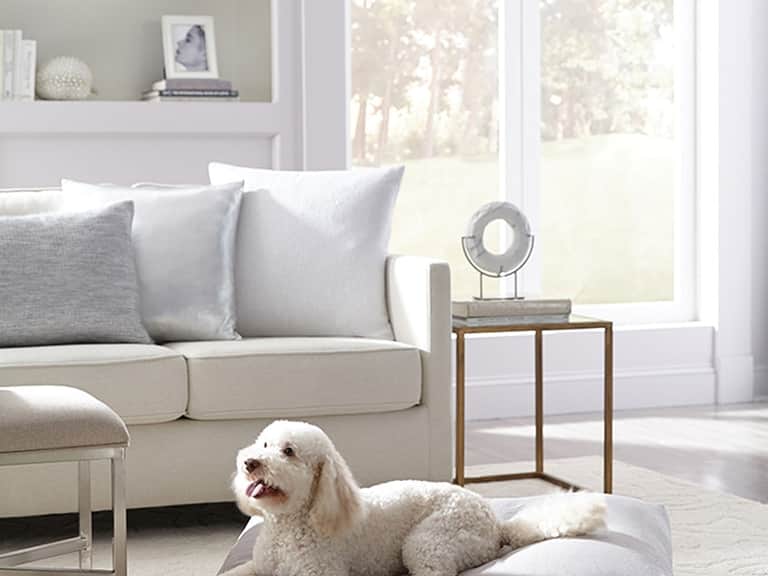
Lounge in airy linen comfort with plush, high-loft support. Easy to clean thanks to a hidden zipper and simple care, while its clean knife-edge silhouette blends into any room. Durable, breathable, and reliably cozy for daily use.
Sleep cooler and softer each night with breathable, temperature-adaptive linen; organic, plant-based finish and durable cuffs ensure long-lasting comfort and a relaxed, luxurious feel.