Custom Linen Service: An Editorial Guide to Linen Knowledge, Care, and Craft

A deep dive into the world of linen, from fabric fundamentals to care tactics, with an eye toward building an informational hub that educates homeowners, designers, and event planners. We explore the lineage of linen, practical how-tos, and the textures that define timeless tables and beds alike.

Linen 101: What It Is and Why It Excites

Linen is more than a fabric; it’s a living record of artisanal craft and sustainable farming. Derived from the flax plant, linen’s hollow fibers create a natural air channel that supports moisture management, temperature regulation, and a hand that deepens with every wash. The story begins with flax crops—grown in cool climates, nurtured through careful rotation and soil stewardship—then travels to mills where the fiber is spun, woven, and finished into textures that range from crisp and slotted to softly crushed and relaxed.

Historically, linen has dressed tables for generations—from grand European ballrooms to quiet Sunday mornings. Today, designers and home enthusiasts reach for linen because it wears gracefully, ages well, and invites a lived-in elegance that never feels forced. The essence of linen is not only in its appearance but in its ability to respond to climate and care routines, making it a staple for both everyday living and special occasions.

Key topics in linen knowledge include:

  • Types of linen and yarn quality
  • Weave patterns and their impact on texture and weight
  • Care rituals that preserve strength and luster
  • Historical context and regional craft traditions
  • Ethical and sustainable sourcing considerations

Care and Practical Maintenance: Keeping Linen Quietly Luxurious

Care instructions are often where linen shines—and where beginners trip. The good news: linen improves with washing when treated with gentle guidance. The core principles are simple: wash in cool to warm water, avoid harsh detergents with heavy additives, and air or tumble dry with care to minimize wrinkles while preserving texture.

A practical approach to care includes:

  • Wash linen with like colors and a mild detergent to prevent fiber fatigue.
  • Avoid high-heat cycles that can set wrinkles; opt for cool to warm settings.
  • Line dry when possible to preserve fiber integrity; tumble dry on low if needed.
  • Iron on a cotton setting while the fabric is slightly damp to restore crispness, especially for table linens.

In a broader sense, care extends beyond washing. Storage in a breathable space prevents musty odors, while rotating sets helps distribute wear evenly. For decorative pieces, a lighter, looser weave invites a relaxed hand that becomes softer over time—an effect linen lovers celebrate as a sign of authentic aging.

Fabric Guides: What Makes Linen Stand Apart

Linen’s greatest strength lies in its blend of performance and beauty. We’ll cover:

  • Weave types: plain weave versus more decorative hems or hemstitch detailing
  • Thread count vs. fabric weight: understanding how weight influences drape and breathability
  • Blends and finishes: when simple linen is combined with polyester for easy-care linens like Riverside Tablecloth
  • Care labeling and sustainability notes: GOTS certifications, European linen standards, and ethical sourcing

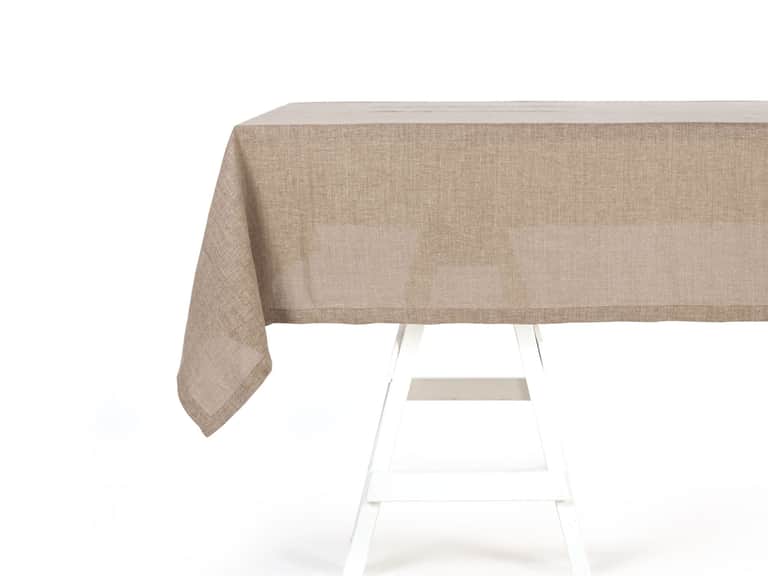
The Riverside Tablecloth serves as a notable example of a linen-polyester blend designed for easy care, combining texture with practical maintenance. Its 60% linen, 40% polyester composition offers a balanced approach to daily use without sacrificing the organic character of linen. Aesthetically, it maintains the table’s tactile rhythm while handling spills and laundering more simply than pure flax.

History and Culture: Linen in Design and Everyday Life

Linen has a storied past that intersects with fashion, hospitality, and home aesthetics. In many cultures, linen represented a sign of prosperity and a dedication to craft. Today, the thread of that heritage continues in modern textiles that preserve the craft while embracing contemporary needs—washability, consistent color, and machine-friendly care routines.

Designers often draw from linen’s legacy to craft moods: a linen tablecloth can conjure a Mediterranean dining scene; linen bedding can evoke a Nordic sense of light, air, and minimalism. The material’s tactile memory—the slight irregularities, the subtle sheen, the way it softens with age—offers a narrative that synthetic fabrics struggle to replicate.

Glossary of Linen Terms You’ll Want in Your Toolkit

A compact glossary helps readers navigate the nuanced language of linen. Here are a few essentials:

  • GOTS: Global Organic Textile Standard, ensuring organic fibers and ethical processing.
  • Hemstitch: A decorative binding technique that adds a refined edge to linen textiles, often seen on table linens and napkins.
  • Relaxed linen: A softer, looser weave with a lived-in hand that softens with washing.
  • Flax: The plant fiber from which linen is made; its cultivation and harvest influence fiber strength and luster.
  • Stone-washed: A finishing process that imparts a worn-in softness and muted texture to linen.

FAQ: Common Questions About Custom Linen Services

Q: Can linen blends like linen-polyester offer the same feel as pure linen?

A: Blends can deliver a similar texture with added ease of care, making durable daily-use pieces accessible while preserving some linen character.

Q: How do I choose the right linen for a wedding or event?

A: Consider weight, weave, and color fastness; for outdoor events, a blend or stone-washed linen can resist creasing while retaining a refined look.

Q: What’s the best approach to care for heirloom linen pieces?

A: Gentle cycles, cool water, mild detergents, and air drying help preserve fibers and hems for generations to come.

Directional Guidance: Building an Informational Linen Hub

In shaping a domain like customlinenservice.com as an informational hub, the focus rests on depth, accuracy, and accessibility. The aim is to serve as a knowledge resource that supports homeowners, designers, and event planners in making informed linen-related decisions without turning into a catalog. Here are structural ideas for content strategy and site architecture:

  • Structured content: The Linen 101 series, care corner, and glossary pages to anchor SEO and user navigation.
  • Non-commercial tone: Content is educational, with careful disclaimers and citations to reputable sources.
  • Resource consolidation: Curate recommended suppliers and care products in a non-promotional, informative way, focusing on usage guidelines and caveats.
  • Time-inspired content: Thematic series like Linen Care Corner and Linen 101 to publish consistently and build readership.
© 2026 Custom Linen Service. All rights reserved.

Related Products

Riverside Tablecloth

Libeco · No. conf_riverside_tafelkleed

Riverside Tablecloth

Experience easy-care elegance: natural texture with practical durability, resistant to creasing, easy washing at 60°C, line-dry or quick iron for a crisp finish, and effortless upkeep that keeps your table looking fresh.
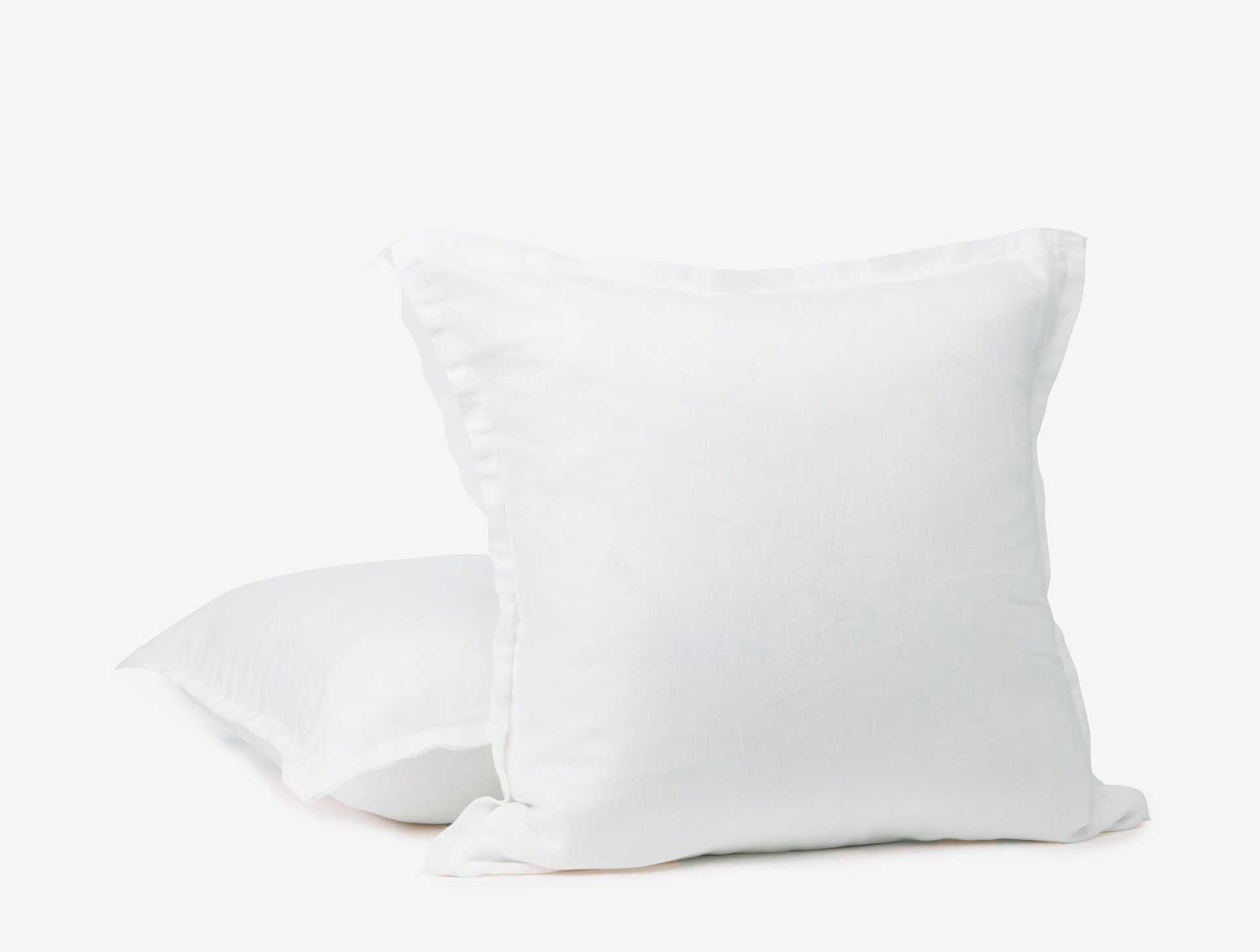
Organic Relaxed Linen Decorative Pillow Cover

Coyuchi

Organic Relaxed Linen Decorative Pillow Cover

Experience soft, everyday luxury with our 100% organic linen cover—washed for a relaxed, cozy feel that pairs beautifully with Coyuchi bedding. Easy care, durable texture, and limitless styling, with inserts sold separately. GOTS certified.
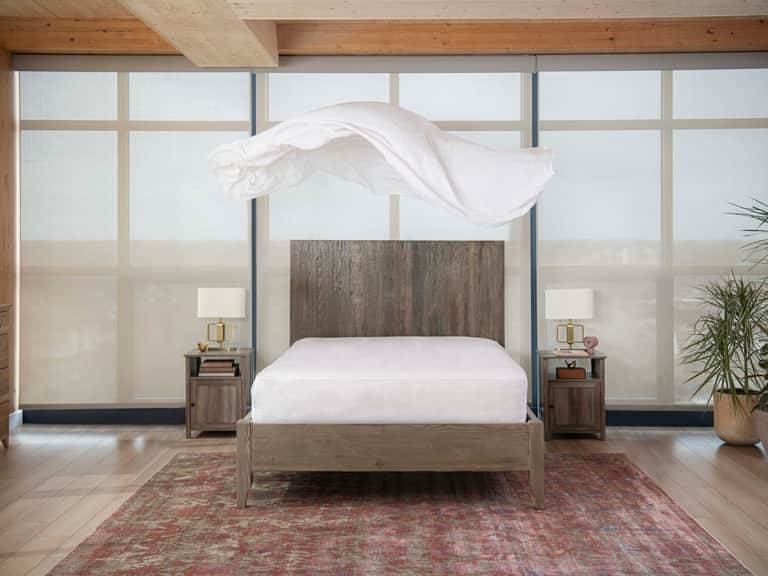
Naturepedic Organic Linen Sheets

Naturepedic · No. NP-SHEET-LINEN

Naturepedic Organic Linen Sheets

Feel cooler in summer and warmer in winter with breathable, moisture-wicking linen that drapes softly yet lasts. GOTS-certified organic flax feels luxurious after every wash, reduces allergens, and keeps you comfortable year-round.

Theme